Turkish filmmaker İlker Çatak follows up his Oscar-nominated The Teacher’s Lounge with this story of a liberal upper-class family’s downward spiral amidst political turmoil and authoritarian scrutiny, capturing the nation’s terrifying slide into far-right oppression.
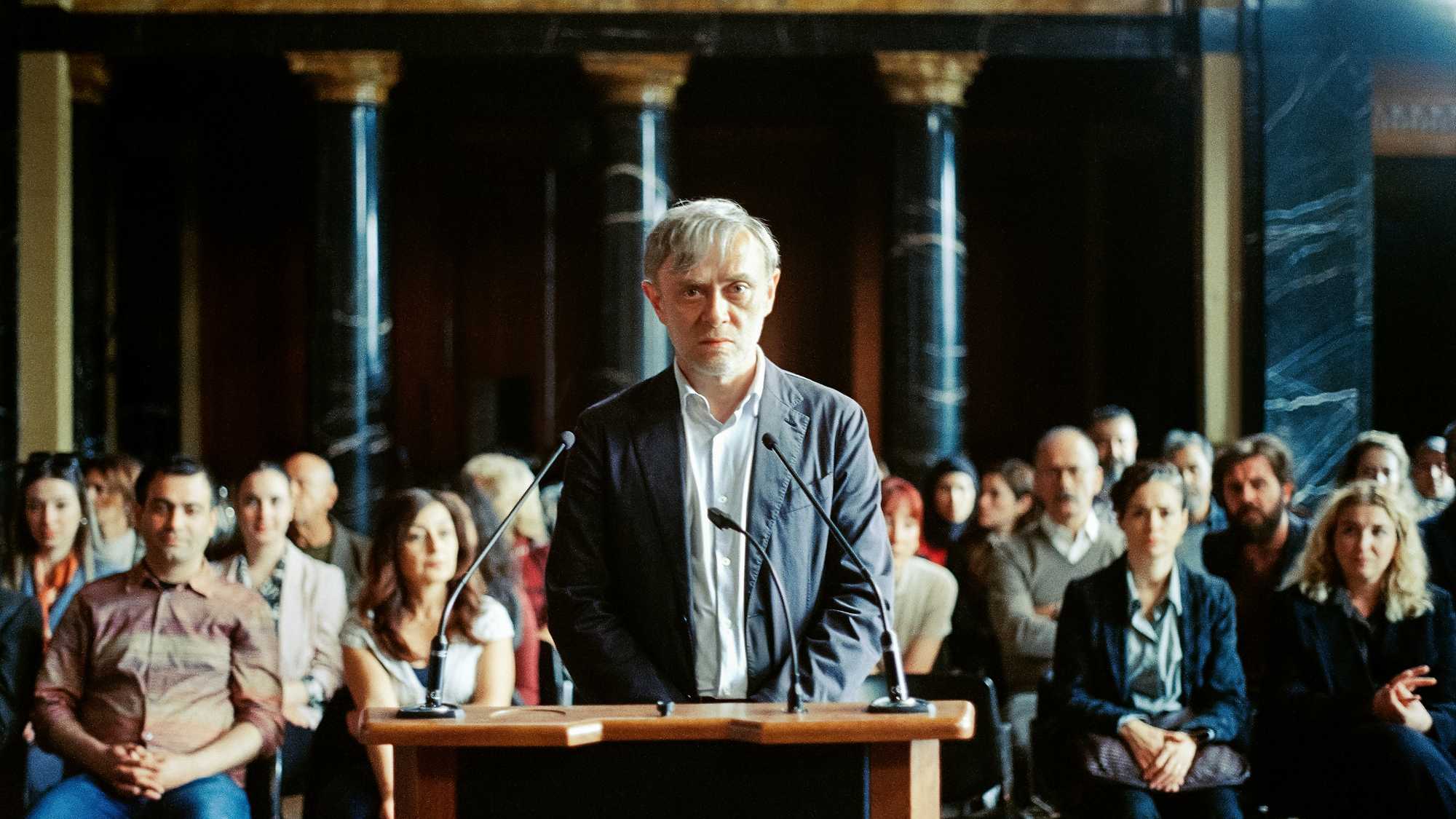

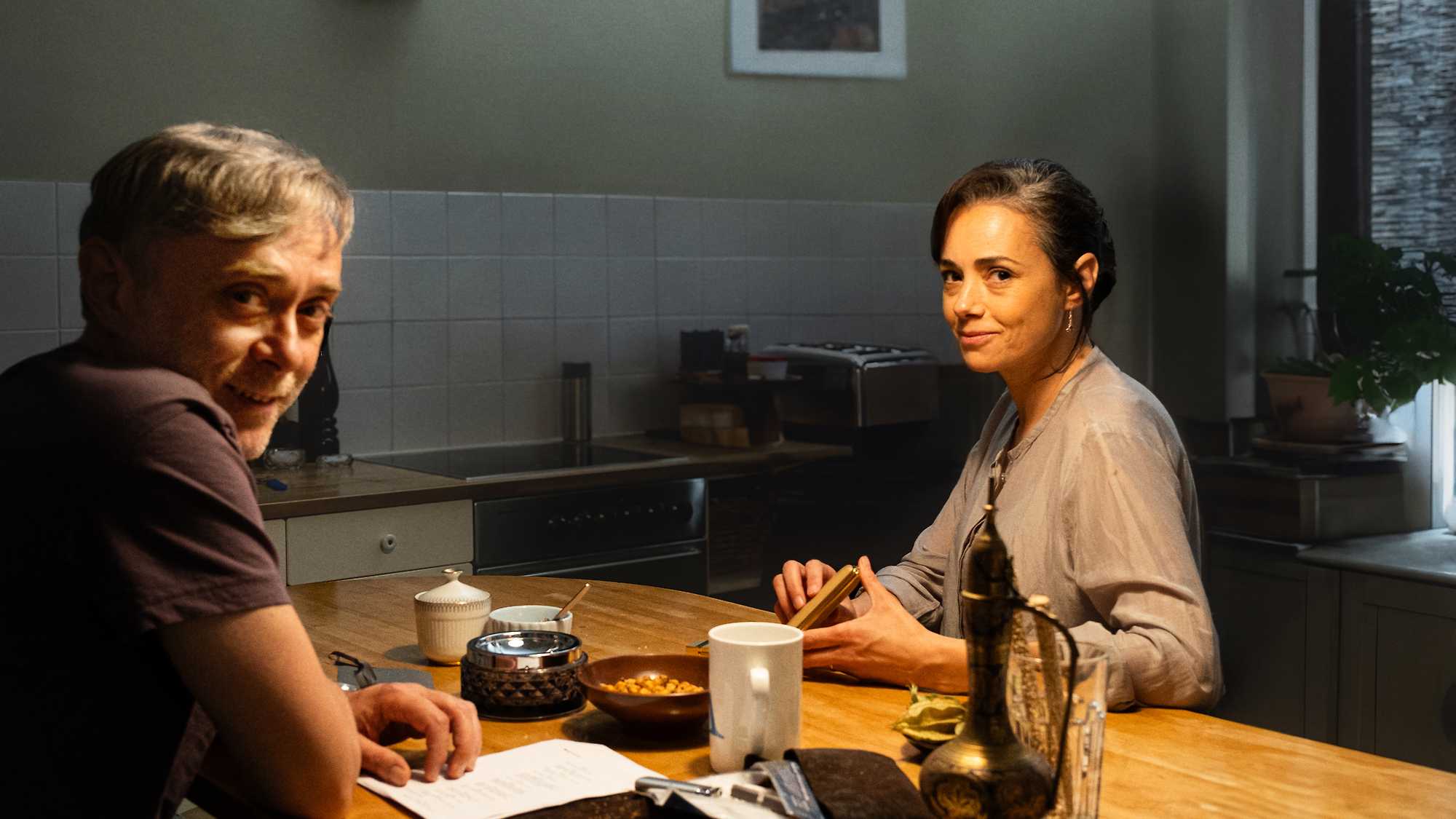


A drama of surprising universality, in which a well-to-do couple becomes the target of unjust dismissals and persecution for political wrongthink against the Turkish regime.
Yellow Letters 2026
Gelbe Briefe
| Aug 29 | | ||
| Sep 08 | |

Derya (Özgü Namal) and Aziz (Tansu Biçer) are a well-off, intellectual couple with progressive ideals that are reflected in the politically charged theatre they create together — he as a playwright and she as an actress. At the opening of their latest show, a minor snafu involving a government official sets off a chain reaction for the pair, who soon find themselves out of work and under the microscope of an increasingly authoritarian police apparatus in Turkey. In Yellow Letters, director İlker Çatak boldly disorients his audience by transposing the Turkish cities of Ankara and Istanbul onto the German cities of Hamburg and Berlin, a reflection of the difficulties artists face in Çatak’s home country, as far right populism crushes voices of dissent at will.
Following up his Oscar-nominated drama The Teacher’s Lounge, Çatak’s latest is a tense, emotionally brutal portrait of a fracturing family unit suddenly pitted against a fearsome dictatorial force. As significant political and class turmoil roils about Derya, Aziz, and their cohort, Derya feels compelled to bow to social pressure and Aziz stubbornly holds fast to his ideals, no matter the cost, reflecting how fundamental differences in handling oppression can rupture even the sturdiest of bonds. — Tom Augustine